
Understanding Bearing Failure Modes in High-Speed Rotating Equipment
A technical deep-dive into common bearing failure mechanisms including fatigue, lubrication breakdown, and misalignment — and how proper spare parts selection can extend service intervals significantly.
What are the most common bearing failure modes in high-speed rotating equipment?
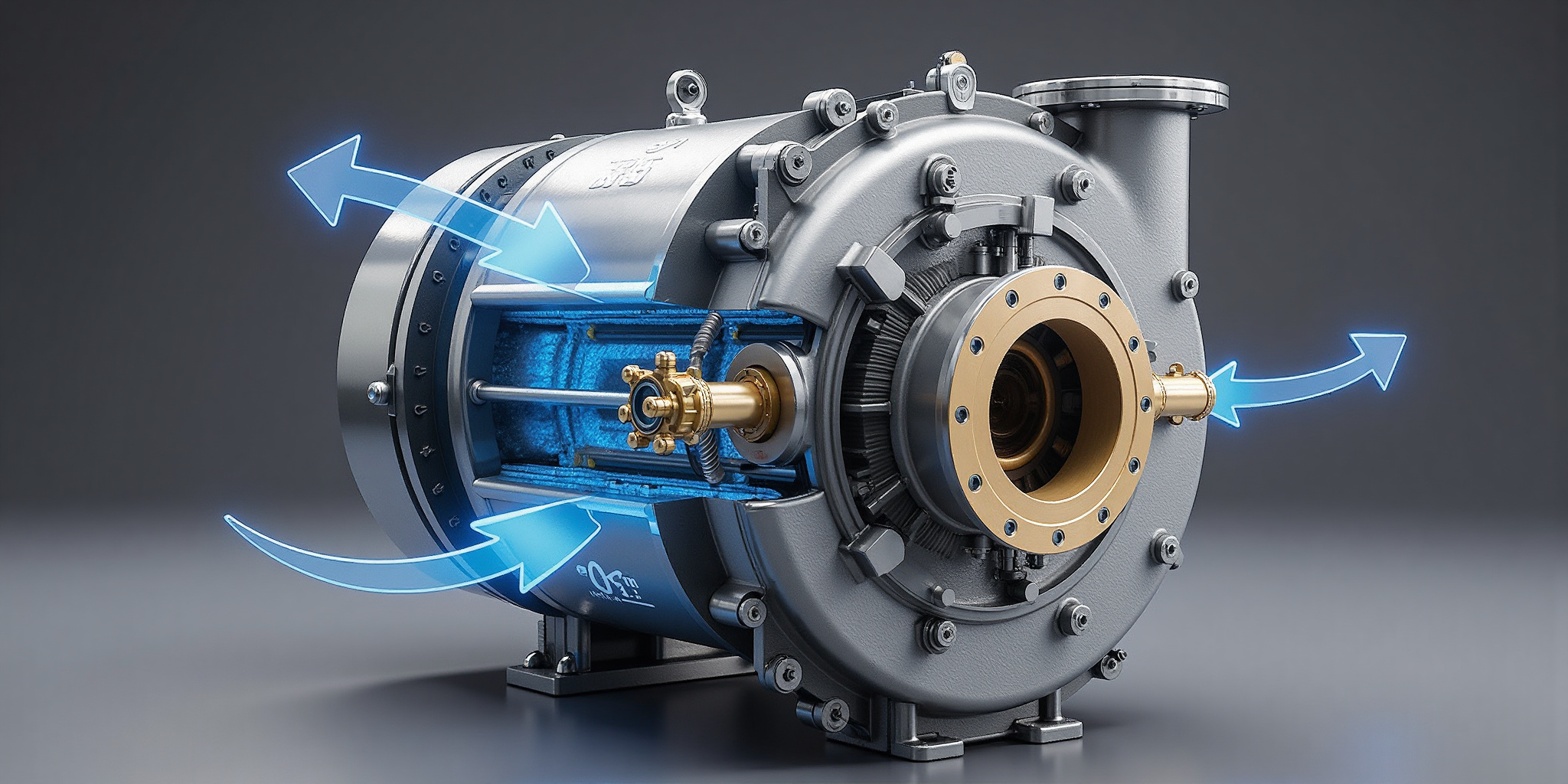
Bearings in high-speed rotating machinery typically fail through three dominant mechanisms: contact fatigue, lubrication breakdown, and misalignment-induced stress. Each mode produces distinct symptoms on vibration spectra, temperature profiles, and debris analysis — making early detection possible when the right monitoring protocols are in place.
Understanding these failure modes is the first step toward extending service intervals and reducing unplanned downtime across your rotating asset base.
How does contact fatigue develop in bearing raceways?
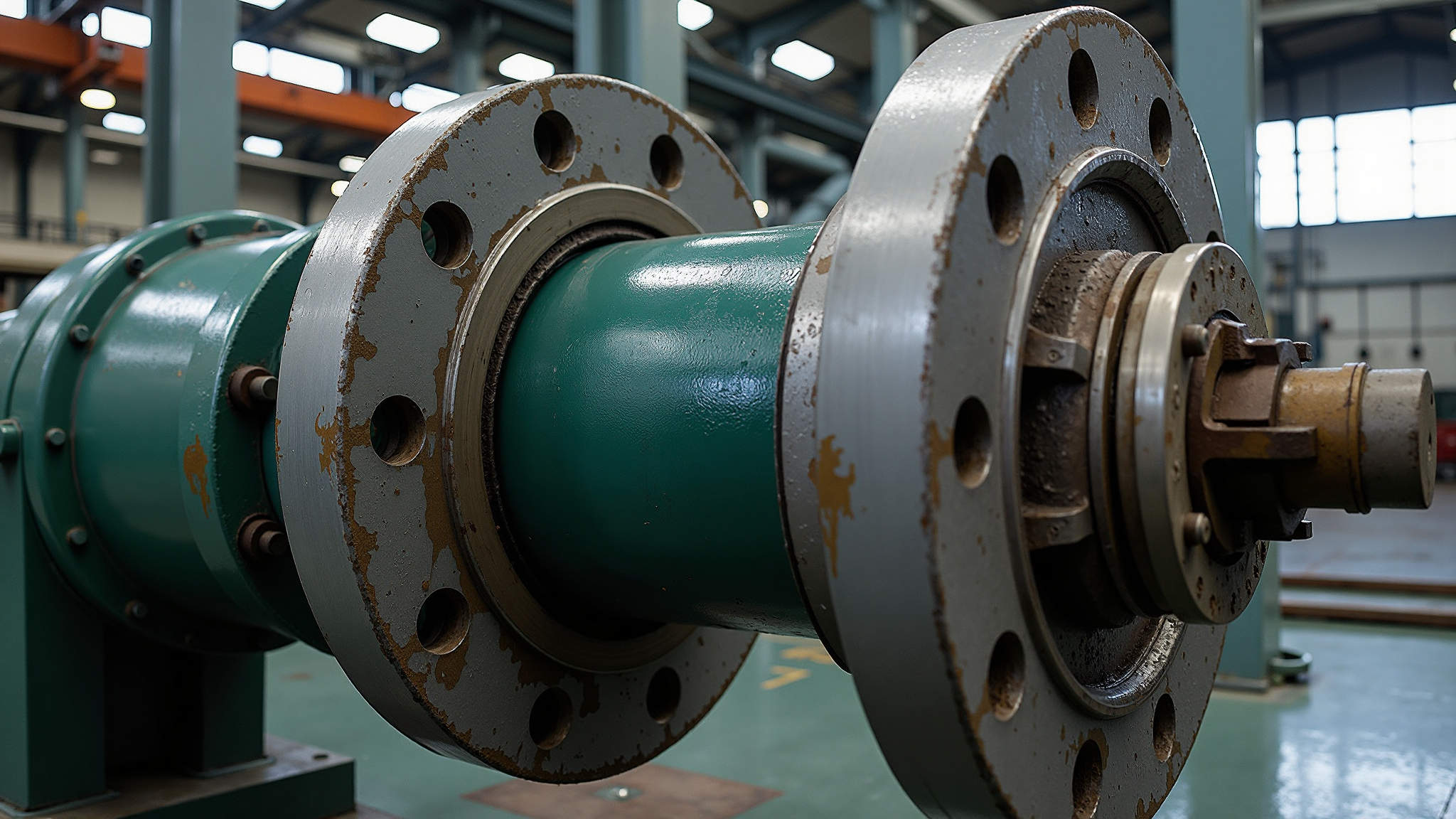
Contact fatigue, also known as spalling, occurs when repeated Hertzian contact stresses exceed the material's endurance limit. Micro-cracks initiate below the raceway surface — typically at non-metallic inclusions — and propagate toward the surface over thousands of stress cycles.
Early-stage fatigue manifests as subtle vibration increases at the bearing's characteristic defect frequencies. If caught during this window through condition monitoring, replacement during a scheduled outage avoids cascading damage to shafts, seals, and housings.
Why does lubrication breakdown accelerate bearing wear?
Proper lubrication maintains a hydrodynamic film between rolling elements and raceways. When oil viscosity degrades due to thermal oxidation, contamination, or incorrect grade selection, the film thickness drops below the surface roughness of the components. This leads to metal-to-metal contact, adhesive wear, and rapid temperature escalation.
Lubrication-related failures often show elevated iron and copper content in oil debris analysis, along with discolored rolling elements visible during borescope inspections. Selecting the correct lubricant grade and maintaining contamination control with proper filtration are the most effective countermeasures.
What role does misalignment play in premature bearing failure?
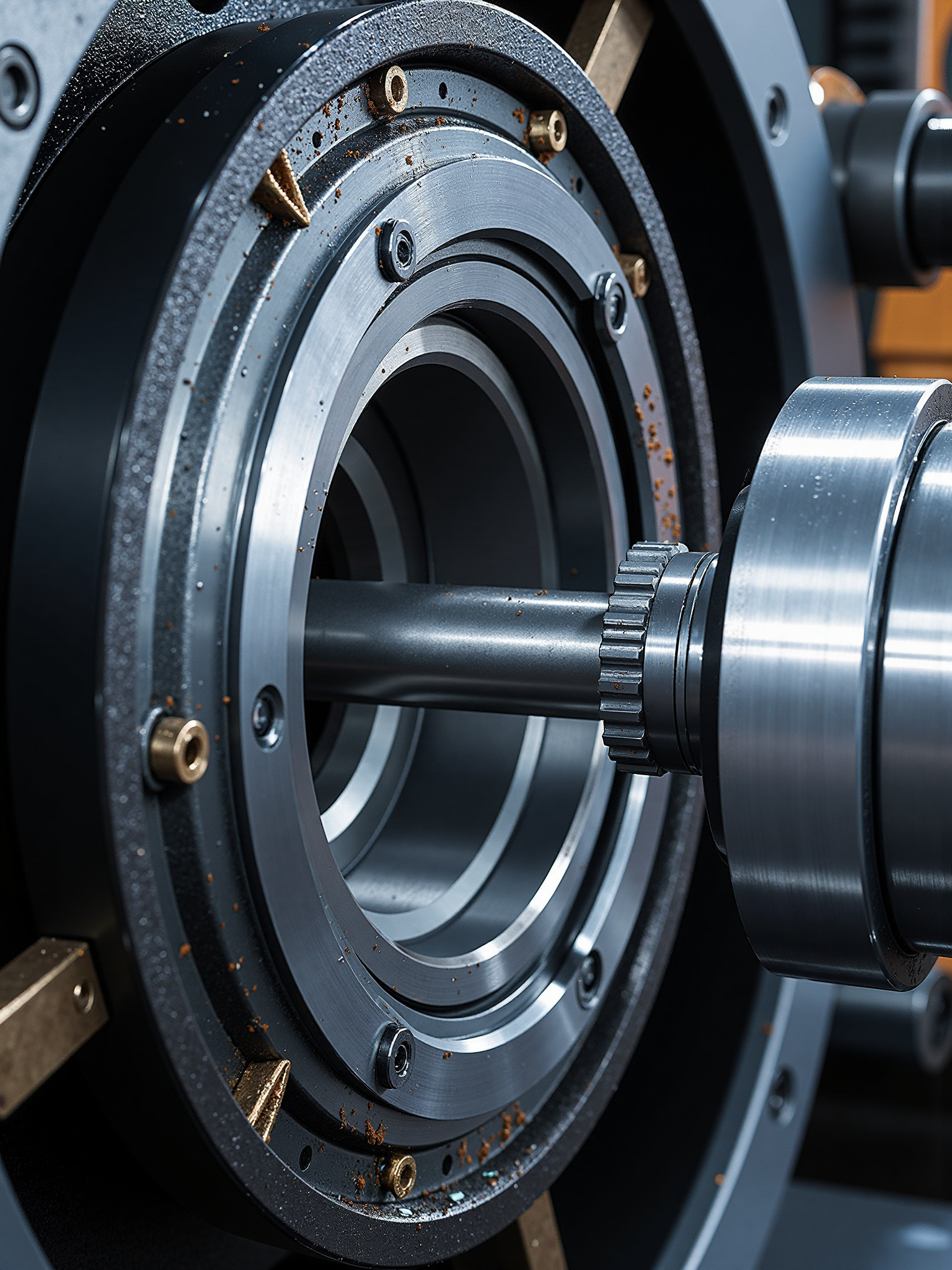
Angular and parallel misalignment between the shaft and housing introduces uneven load distribution across the rolling elements. Instead of sharing the load uniformly, a subset of rollers or balls carries disproportionate stress, leading to localized overheating, cage deformation, and accelerated fatigue.
Laser alignment tools and flexible coupling selection during installation significantly reduce misalignment-induced failures. During maintenance, always verify alignment after any shaft or bearing replacement — even small deviations of 0.05 mm can halve the expected L10 bearing life.
How can proper spare parts selection extend bearing service life?
The difference between a standard-grade and a premium-grade bearing of the same dimensions can be 30–50% in service life, particularly in high-speed or high-temperature applications. Key selection factors include cage material (machined brass vs. pressed steel), internal clearance class, and heat treatment quality.
When sourcing spare parts, always verify the manufacturer's specification against the original equipment requirements. Substituting a lower-specification bearing to reduce cost often results in shorter service intervals, higher energy consumption from increased friction, and greater risk of unplanned failure.
What preventive maintenance practices reduce bearing failures?
An effective preventive maintenance program combines condition monitoring (vibration analysis, thermography, oil debris analysis), proper lubrication scheduling with the correct grease type and quantity, and precision installation practices using hydraulic nuts or induction heaters rather than impact methods.
Documenting each bearing's operating hours, lubrication history, and replacement dates creates a knowledge base that enables predictive replacement planning — moving from reactive repairs to reliability-centered maintenance across the entire rotating equipment fleet.
Need Technical Support?
Our engineering team is ready to help with your rotating equipment needs.